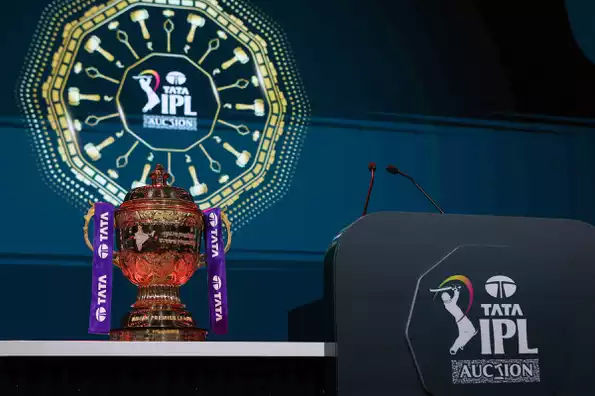
With the next IPL cycle approaching, the roadmap for squad building is taking shape: the player auction is slated for the December 13–15 window, and franchises have a retention cutoff on November 15. Those two dates will define purse sizes, the depth of the auction pool, and ultimately the balance of power heading into IPL 2026.
Why the Nov 15 retention deadline matters
Retention day is the biggest lever teams have outside the auction itself. By declaring retained and released players by Nov 15, franchises lock in three things:
- Purse position: Releasing high-value contracts frees budget for marquee bids, while retaining a core protects continuity but reduces auction flexibility.
- Auction dynamics: Every release adds depth to the pool. One star batter or death bowler entering the market can reshape five other teams’ plans.
- Trade clarity: Post-retention, franchises can still explore trades in narrower windows, but the bulk of movement is signposted by this deadline.
Expect contrasting approaches. Teams with strong cores and balanced age profiles tend to retain heavily and shop for role players. Squads that underperformed—or carry expensive, injury-risk contracts—often prune aggressively to reset.
Three strategic questions every franchise must answer
- Continuity vs. cap space: Do you keep a proven senior pro for steadiness, or release him to chase a younger, multi-skill option?
- Premium skill vs. portfolio depth: Paying top dollar for a single finisher or powerplay quick carries opportunity cost—can you fill three holes instead?
- Injury and availability risk: Overseas stars remain premium assets, but workload management and bilateral windows can limit appearances. Hedging with two mid-tier options sometimes outperforms one marquee pick.
What the Dec 13–15 auction window signals
A mid-December auction compresses planning but keeps a clean runway to pre-season camps. The window favors franchises that:
- Scouted domestics early: Identifying uncapped impact players (powerplay hitters, wrist-spin options, high-pace locals) creates massive surplus value.
- Built scenario boards: Tiered target lists—Plan A/B/C for each role—avoid panic bidding when a rival spikes prices.
- Modeled purse elasticity: Knowing in advance where you can stretch 10–15% for a perfect fit prevents overpaying elsewhere.
Expect fast bowlers who hit the deck hard, left-hand finishers who can neutralize match-ups, and versatile anchors with 130+ SR against spin to command premiums. Teams have become far sharper about phase specialists: new-ball swing, middle-overs control, and death-overs execution are separate markets now.
Roles most likely to spark bidding wars
- Death-overs seamers (8–20): Consistent yorkers + slower-ball deception remain the rarest skillset. Even volatile profiles attract competition.
- Left-hand middle-order batters: Line-up geometry matters. A lefty who hits pace and spin into different zones unlocks your right-hand finishers.
- Powerplay enforcers: 9–12 ball cameos at 180+ SR are undervalued if they also field elite and bowl a couple of overs.
- High-ceiling wrist-spin: Especially those with control at small grounds. If they bat at No. 7/8, the premium jumps.
Domestic market watch
The domestic pool increasingly decides titles. Franchises are tracking:
- Strike-rate above average for role: Not just aggregate runs/wickets, but performance in relevant phases.
- Repeatability under pressure: Knockout/TV games, high-chase scenarios, and end-over efficiency.
- Fielding value: A +5 run-save fielder over a season is the hidden cap space you didn’t spend.
Expect multiple uncapped quicks who consistently hit 140+ and uncapped finishers with proven SMAT/club data to leap in value once overseas slots are filled.
How contenders and rebuilders will differ
- Contenders: Fine-tune one or two weak links (e.g., No. 7 batting depth, sixth bowling option), preserve dressing-room culture, and buy insurance for injuries.
- Rebuilders: Emphasize age curve, cap flexibility, and identity—decide if the team’s DNA is power-play aggression, middle-overs squeeze, or finishing firepower, then buy ruthlessly to that blueprint.
The trade subplot
Don’t be surprised if a few trades surface around retention day and in the lead-up to the auction. Typical patterns:
- Role swaps: Two teams exchange surplus strengths to plug weaknesses.
- Salary relief: A franchise offloads a premium contract to expand purse headroom.
- Change of scenery bets: Talented but under-utilized players moved to systems that better fit their skills.
Analytics edge: winning the middle 24 balls
Many recent champions have dominated the “hidden” overs: 8–12 and 13–16. Two levers decide those segments:
- Spin match-ups: A wrist-spinner who can bowl to both edges of the bat + a finger-spinner who controls length at small grounds.
- Floaters in batting order: A flexible No. 4/5 who moves up vs. favorable match-ups keeps run rate above par without exposing finishers too early.
Teams that plan their auction around these levers often get more value per crore than those chasing headline names.
What to track next
- Confirmed retention lists (Nov 15): The size and star power of the release pool will set price temperatures.
- Purse disclosures: Who walks in with the biggest wallet—and who must bargain-hunt.
- Late fitness updates: A single green light (or setback) for a marquee all-rounder can flip multiple boards.
- Emerging domestic reports: Final domestic white-ball performances before the auction frequently shift two or three franchise shortlists.
Bottom line
The retention deadline on Nov 15 is the first domino; the auction window of Dec 13–15 is where planning meets opportunism. Franchises that stay disciplined on role clarity, model multiple price paths, and trust their scouting on domestics will leave December not just with big names—but with balanced XIs built to win the big moments in 2026.