In a pulsating encounter between India and South Africa in the 2025 Women’s World Cup, captain Harmanpreet Kaur made a tactical call that would come to define the outcome. Under immense pressure, she opted to hand the crucial 47th over to young bowler Kranti Gaud instead of her more established bowlers — a decision that, in hindsight, swung momentum in South Africa’s favor.
A Moment of Chaos
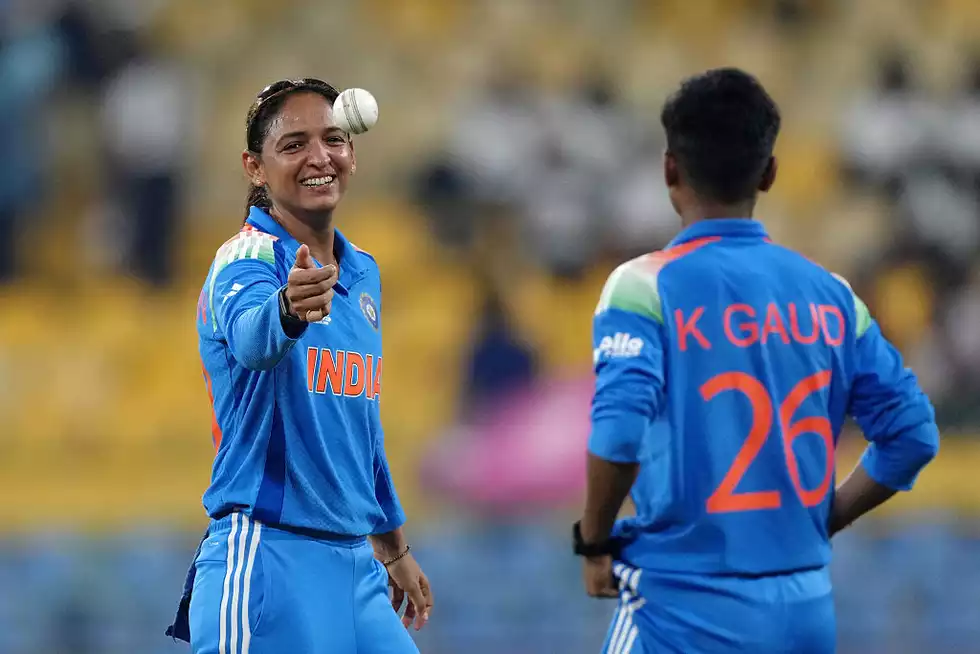
As the cameras flickered between a cramping Richa Ghosh receiving attention mid-over and a tense South African huddle trying to regroup, India’s field looked scrambled. Gaud stood at the bowling end, flanked by Harmanpreet and Renuka Thakur, awaiting instruction. What followed would become one of the most scrutinized overs of the match.
Gaud was not the first option. Amanjot Kaur, making a return to the side, had been lined up to bowl that over. But under pressure, Harmanpreet made the unexpected switch, repositioning Amanjot in the field while Gaud took over at the crease end. South Africa, chasing a steep target, sensed the shift.
The Over That Shifted the Game
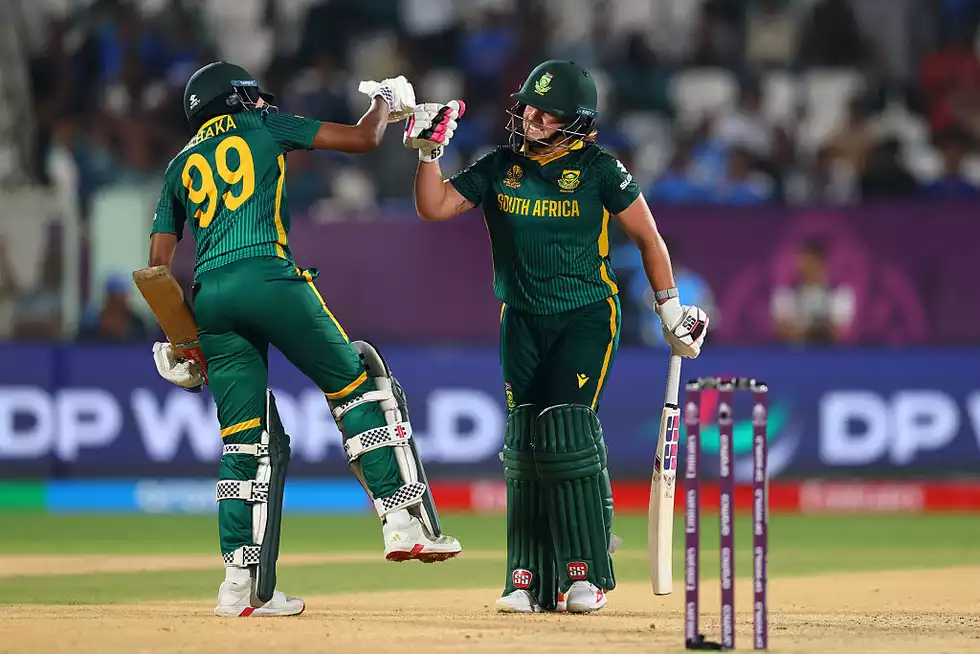
At that stage, South Africa needed 41 runs from the remaining overs. De Klerk, having resurrected the chase, was the key batter in motion. The first ball from Gaud flew wide, the next she plonked fuller, and then — feeling the pressure — she dropped a yorker attempt short. Each misstep was ruthlessly punished, and soon de Klerk was smashing sixes, rewriting the script.
India attempted delays and tactical distractions in the over, perhaps hoping for a breather or a reset of momentum, but it backfired. De Klerk capitalized on each loose delivery and backed by Ayabonga Khaka, she constructed a composed, match-defining finish. The young pair took advantage of the confusion, punishing full tosses and errant balls with clinical precision.
Strategy, Gut or Gamble?
A question lingers — was it a calculated move or a momentary instinct? Why did Harmanpreet hand that over to Gaud at a pivotal moment? Some speculate it was a protective measure for workload management, especially with Gaud returning from a back complaint. Others argue it was a captain’s instinct, trusting a young player’s nerve under fire.
Regardless of the motive, it became a high-stakes gamble. Gaud still had overs left, and Amanjot could have carried on. Yet Harmanpreet placed her chips on the young pacer, hoping for a spark. What followed was a collapse in India’s tactical equilibrium and a surge in South Africa’s confidence.
Aftermath & Reflection
Following the collapse, Harmanpreet and Gaud sat silently in the dugout, the reality of what transpired settling in. South Africa’s late surge exposed fissures in India’s bowling depth, revealing that their reliance on five front-line bowlers was perhaps overly ambitious. The move might have worked against lesser opponents, but under the heat of a World Cup contest, precision and consistency mattered most.
The game turned on one over, and that is the burden the captain must carry — decisions made in a split second can define victory or defeat. In this case, Harmanpreet’s gamble didn’t pay off. Yet moments like these are reminders of how leadership in cricket is as much about intuition and courage as it is about planning.